BMI Calculator
Calculate your Body Mass Index to assess your weight status
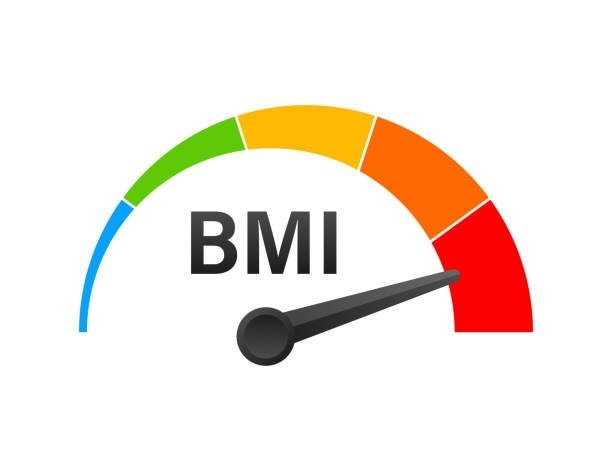
Your BMI Result
<18.5 Normal
18.5-24.9 Overweight
25-29.9 Obese
30+
About BMI
The Body Mass Index (BMI) Calculator can be used to calculate BMI value and corresponding weight status while taking age into consideration. Use the “Metric Units” tab for the International System of Units or the “Other Units” tab to convert units into either US or metric units. Note that the calculator also computes the Ponderal Index in addition to BMI, both of which are discussed below in detail.
BMI Introduction
BMI is a measurement of a person’s leanness or corpulence based on their height and weight, and is intended to quantify tissue mass. It is widely used as a general indicator of whether a person has a healthy body weight for their height. Specifically, the value obtained from the calculation of BMI is used to categorize whether a person is underweight, normal weight, overweight, or obese depending on what range the value falls between.
BMI Table for Adults
This is the World Health Organization’s (WHO) recommended body weight based on BMI values for adults. It is used for both men and women, age 20 or older.
| Classification | BMI range – kg/m² |
|---|---|
| Severe Thinness | < 16 |
| Moderate Thinness | 16 – 17 |
| Mild Thinness | 17 – 18.5 |
| Normal | 18.5 – 25 |
| Overweight | 25 – 30 |
| Obese Class I | 30 – 35 |
| Obese Class II | 35 – 40 |
| Obese Class III | > 40 |
Risks Associated with Being Overweight
Being overweight increases the risk of a number of serious diseases and health conditions:
- High blood pressure
- Type II diabetes
- Coronary heart disease
- Stroke
- Gallbladder disease
- Sleep apnea and breathing problems
- Certain cancers (endometrial, breast, colon, kidney, gallbladder, liver)
- Low quality of life
- Mental illnesses such as clinical depression, anxiety, and others
Limitations of BMI
Although BMI is a widely used and useful indicator of healthy body weight, it does have its limitations. BMI is only an estimate that cannot take body composition into account. Due to a wide variety of body types as well as distribution of muscle, bone mass, and fat, BMI should be considered along with other measurements rather than being used as the sole method for determining a person’s healthy body weight.
BMI Calculator: "Check Your Body Mass Index & Health Status";
"Check Your Body Mass Index & Health Status"
This advanced BMI calculator provides a complete assessment of your weight status by calculating both Body Mass Index (BMI) and Ponderal Index while accounting for age-specific considerations. The calculator supports multiple measurement systems:
- Metric Units: International System of Units (kilograms and meters/centimeters)
- US Units: Pounds, feet, and inches
- Other Units: Alternative measurement conversions
What is Body Mass Index?
Body Mass Index (BMI) is a standardized measurement that evaluates body weight relative to height, providing a general indicator of whether an individual maintains a healthy weight. The calculation produces a numerical value that places individuals into categories ranging from underweight to obese.
BMI Categories and Classifications
World Health Organization Standards for Adults (Age 20+)
| Classification | BMI Range (kg/m²) |
|---|---|
| Severe Thinness | < 16 |
| Moderate Thinness | 16 - 17 |
| Mild Thinness | 17 - 18.5 |
| Normal Weight | 18.5 - 25 |
| Overweight | 25 - 30 |
| Obese Class I | 30 - 35 |
| Obese Class II | 35 - 40 |
| Obese Class III | > 40 |
CDC Guidelines for Children and Teens (Ages 2-20)
| Category | Percentile Range |
|---|---|
| Underweight | < 5th percentile |
| Healthy Weight | 5th - 85th percentile |
| At Risk of Overweight | 85th - 95th percentile |
| Overweight | > 95th percentile |
Health Implications of Weight Categories
Risks Associated with Excess Weight
Maintaining a higher-than-recommended BMI increases susceptibility to numerous health conditions:
- Cardiovascular Issues: Hypertension, elevated LDL cholesterol, coronary heart disease, stroke
- Metabolic Disorders: Type 2 diabetes, high triglyceride levels
- Musculoskeletal Problems: Osteoarthritis, joint deterioration
- Respiratory Conditions: Sleep apnea, breathing difficulties
- Increased Cancer Risk: Endometrial, breast, colon, kidney, gallbladder, and liver cancers
- Mental Health Impacts: Depression, anxiety, reduced quality of life
- Overall Mortality: Increased risk of premature death
For most adults, maintaining a BMI below 25 kg/m² is recommended, though individual consultation with healthcare providers is essential for personalized guidance.
Concerns Related to Underweight Status
Insufficient body weight carries its own health risks:
- Nutritional Deficiencies: Malnutrition, vitamin deficiencies, anemia
- Bone Health: Osteoporosis, increased fracture risk
- Immune System: Compromised immune function
- Developmental Issues: Impaired growth in children and adolescents
- Reproductive Health: Hormonal imbalances, menstrual irregularities, increased miscarriage risk
- Surgical Complications: Higher risk during medical procedures
- Underlying Conditions: May indicate eating disorders or other medical issues
Understanding BMI Limitations
While BMI serves as a valuable screening tool, it has important limitations:
Adult Considerations
BMI measures overall body weight rather than specifically assessing body fat percentage. Several factors can affect BMI accuracy:
- Age: Older adults typically have higher body fat at the same BMI
- Sex: Women generally carry more body fat than men with equivalent BMI
- Muscle Mass: Athletic individuals may have elevated BMI due to muscle density
- Ethnicity: Body composition varies across different ethnic groups
- Fitness Level: Sedentary individuals with "normal" BMI may have excess body fat
Pediatric Considerations
For children and adolescents, additional factors influence BMI interpretation:
- Growth patterns and puberty timing
- Variations in body composition during development
- BMI more accurately identifies obesity than overweight status in youth
Despite these limitations, BMI correctly indicates body fat levels for 90-95% of the population and should be used alongside other health assessments.
BMI Calculation Methods
Standard Formulas
Metric System Calculation:
text
BMI = weight (kg) ÷ height² (m)
Calculation Example:
SUPPOSE:
For a person 5'10" (70 inches) tall weighing 160 pounds:
text
BMI = (160 ÷ 70²) × 703 = 23.0
Additional Measurement Tools
BMI Prime
BMI Prime represents the ratio of an individual's BMI to the upper normal BMI threshold (25 kg/m²):
text
BMI Prime = BMI ÷ 25
Classification Guide:
- Underweight: < 0.74
- Normal: 0.74 - 1.00
- Overweight: 1.00 - 1.20
- Obese: > 1.20
This standardized ratio facilitates comparisons across populations with different BMI standards.
Why BMI and Ponderal Index Matter
The Ponderal Index (PI) addresses some BMI limitations by using height cubed rather than squared:
Metric Formula:
text
PI = weight (kg) ÷ height³ (m)
US Customary Formula:
text
PI = height (in) ÷ ∛weight (lbs)
PI provides more accurate assessments for individuals at height extremes, though it shares some limitations with BMI.
Using Your Results
This calculator provides comprehensive insights into your weight status:
REMEMBER:
- These tools offer screening guidance, not medical diagnosis
- Individual health depends on multiple factors beyond BMI
- Consult healthcare professionals for personalized health advice
- Regular monitoring helps track progress toward health goals
The combination of BMI, BMI Prime, and Ponderal Index gives a more complete picture of your weight status, empowering you to make informed decisions about your health journey.
Tips for Maintaining a Healthy BMI
Maintaining a healthy BMI isn’t just about dieting — it’s about making consistent lifestyle choices that support your overall well-being. Follow these simple tips to stay on track:
- Eat a balanced diet:
- Fill your plate with fruits, vegetables, whole grains, and lean proteins to give your body the nutrients it needs.
- Stay physically active: Try to get at least 30 minutes of moderate exercise most days of the week, such as walking, cycling, or swimming.
- Stay hydrated: Drink plenty of water throughout the day to boost your metabolism and maintain energy levels.
- Get enough sleep: Aim for 7–8 hours of quality sleep each night to help your body recover and regulate weight.
- Avoid fad or crash diets: Instead of short-term fixes, focus on healthy, long-term eating habits.
- Monitor your progress: Regularly check your BMI or use a fitness app to track changes and stay motivated.
https://www.who.int/news-room/fact-sheets/detail/healthy-diet