Body Fat Calculator
Estimate your total body fat percentage using the U.S. Navy method and BMI-based calculations
Your Body Fat Result
2-5% / 10-13% Athletes
6-13% / 14-20% Fitness
14-17% / 21-24% Average
18-24% / 25-31% Obese
25%+ / 32%+
Body Fat Reference Information
The American Council on Exercise Body Fat Categorization
| Description | Women | Men |
|---|---|---|
| Essential fat | 10-13% | 2-5% |
| Athletes | 14-20% | 6-13% |
| Fitness | 21-24% | 14-17% |
| Average | 25-31% | 18-24% |
| Obese | 32+% | 25+% |
Jackson & Pollock Ideal Body Fat Percentages
| Age | Women | Men |
|---|---|---|
| 20 | 17.7% | 8.5% |
| 25 | 18.4% | 10.5% |
| 30 | 19.3% | 12.7% |
| 35 | 21.5% | 13.7% |
| 40 | 22.2% | 15.3% |
| 45 | 22.9% | 16.4% |
| 50 | 25.2% | 18.9% |
| 55 | 26.3% | 20.9% |
Body Fat, Overweight, and Obesity
The scientific term for body fat is “adipose tissue.” Adipose tissue serves a number of important functions. Its primary purpose is to store lipids from which the body creates energy. In addition, it secretes a number of important hormones, and provides the body with some cushioning as well as insulation.
Body fat includes essential body fat and storage body fat. Essential body fat is a base level of fat that is found in most parts of the body. It is necessary fat that maintains life and reproductive functions. The amount of essential fat differs between men and women, and is typically around 2-5% in men, and 10-13% in women. The healthy range of body fat for men is typically defined as 8-19%, while the healthy range for women is 21-33%.
Storage fat is fat that accumulates in adipose tissue, be it subcutaneous fat (deep under the dermis and wrapped around vital organs) or visceral fat (fat located inside the abdominal cavity, between organs), and references to body fat typically refer to this type of fat. While some storage fat is ideal, excess amounts of storage fat can have serious negative health implications.
Excess body fat leads to the condition of being overweight and eventually to obesity given that insufficient measures are taken to curb increasing body fat. Note that being overweight does not necessarily indicate an excess of body fat. A person’s body weight is comprised of multiple factors including (but not limited to) body fat, muscle, bone density, and water content. Thus, highly muscular people are often classified as overweight.
The rate at which body fat accumulates is different from person to person and is dependent on many factors including genetic factors as well as behavioral factors such as lack of exercise and excessive food intake. Due to varying factors, it can be more difficult for certain people to reduce body fat stored in the abdominal region. However, managing diet and exercise has been shown to reduce stored fat.
Understanding Body Fat: Functions, Health Impacts, and Measurement :
The Science of Adipose Tissue
Body fat, scientifically known as adipose tissue, plays several crucial roles in human physiology. This specialized tissue serves as the body's primary energy reservoir, storing lipids that can be converted into fuel when needed. Beyond energy storage, adipose tissue functions as an active endocrine organ, secreting important hormones that regulate various bodily processes. It also provides essential cushioning for organs and thermal insulation to maintain body temperature.
Types of Body Fat
Essential Body Fat
- Definition: The minimal amount of fat required for basic physiological functions
- Gender Differences: Men typically require 2-5%, while women need 10-13%
- Functions: Supports reproductive health, vitamin absorption, and core biological processes
- Health Implications: Dropping below these levels requires medical supervision
Storage Body Fat
- Subcutaneous Fat: Located beneath the skin surface
- Visceral Fat: Deep abdominal fat surrounding internal organs
- Purpose: Energy reserve and organ protection
- Health Concern: Excess accumulation poses significant health risks
Healthy Body Fat Ranges
| Gender | Essential Fat | Healthy Range | Increased Risk |
|---|---|---|---|
| Men | 2-5% | 8-19% | >25% |
| Women | 10-13% | 21-33% | >32% |
Understanding Overweight vs. Obesity
Important Distinction: Being classified as overweight doesn't necessarily indicate excess body fat. Body weight comprises multiple components:
- Muscle mass
- Bone density
- Water content
- Body fat
Highly muscular individuals may register as "overweight" on standard charts while maintaining healthy body composition.
Factors Influencing Fat Distribution
Individual Variations
- Genetic predisposition
- Lifestyle factors (diet, exercise habits)
- Metabolic differences
- Hormonal influences
Gender and Age Patterns
- Men: Tend to store fat abdominally (android pattern)
- Women: Typically store fat in hips and thighs (gynoid pattern)
- Age Changes: Post-40 hormonal shifts often alter fat distribution patterns
Health Consequences of Excess Body Fat
Global Health Impact
- Obesity ranks among leading preventable causes of death worldwide
- Estimated annual US deaths: 111,909 - 365,000
- Affects approximately 36.5% of US adults (CDC data)
Associated Health Conditions
- Cardiovascular Disease: Heart disease, stroke, hypertension
- Metabolic Disorders: Type 2 diabetes, insulin resistance
- Cancer Risks: Increased incidence of multiple cancer types
- Respiratory Issues: Sleep apnea, breathing difficulties
- Musculoskeletal Problems: Osteoarthritis, joint deterioration
- Mental Health: Depression, anxiety, reduced quality of life
Biological Mechanisms
- Hormonal Disruption: Excess fat, particularly visceral fat, imbalances critical hormones
- Inflammatory Response: Visceral fat releases cytokines that promote inflammation
- Cholesterol Impact: Increases LDL ("bad cholesterol"), decreases HDL ("good cholesterol")
- Insulin Resistance: Impairs cells' ability to respond to insulin
Body Fat Measurement Methods
U.S. Navy Method
Developed at the Naval Health Research Center (1984), this circumference-based method provides practical estimation:
Measurement Protocol:
- Waist: Measure horizontally at navel level (men) or smallest width (women)
- Neck: Measure below larynx, tape sloping downward
- Hips (women only): Measure at largest horizontal point
Calculation Formulas:
For Men:
text
Metric: BFP = 495 / (1.0324 - 0.19077×log10(waist-neck) + 0.15456×log10(height)) - 450
US Units: BFP = 86.010×log10(abdomen-neck) - 70.041×log10(height) + 36.76
For Women:
text
Metric: BFP = 495 / (1.29579 - 0.35004×log10(waist+hip-neck) + 0.22100×log10(height)) - 450
US Units: BFP = 163.205×log10(waist+hip-neck) - 97.684×log10(height) - 78.387
BMI-Based Estimation
Alternative method using Body Mass Index calculations:
Adult Formulas (Age 20+):
text
Men: BFP = 1.20 × BMI + 0.23 × Age - 16.2
Women: BFP = 1.20 × BMI + 0.23 × Age - 5.4
Youth Formulas (Under 20):
text
Boys: BFP = 1.51 × BMI - 0.70 × Age - 2.2
Girls: BFP = 1.51 × BMI - 0.70 × Age + 1.4
Additional Calculations
Fat Mass:
text
FM = Body Fat Percentage × Weight
Lean Body Mass:
text
LM = Total Weight - Fat Mass
Important Considerations
Method Limitations
- Both measurement approaches provide estimates rather than precise values
- Results based on population averages and statistical models
- Individual variations can affect accuracy
Professional Assessment
For clinical precision, consider:
- Bioelectric Impedance Analysis
- Hydrostatic Weighing
- DEXA Scans
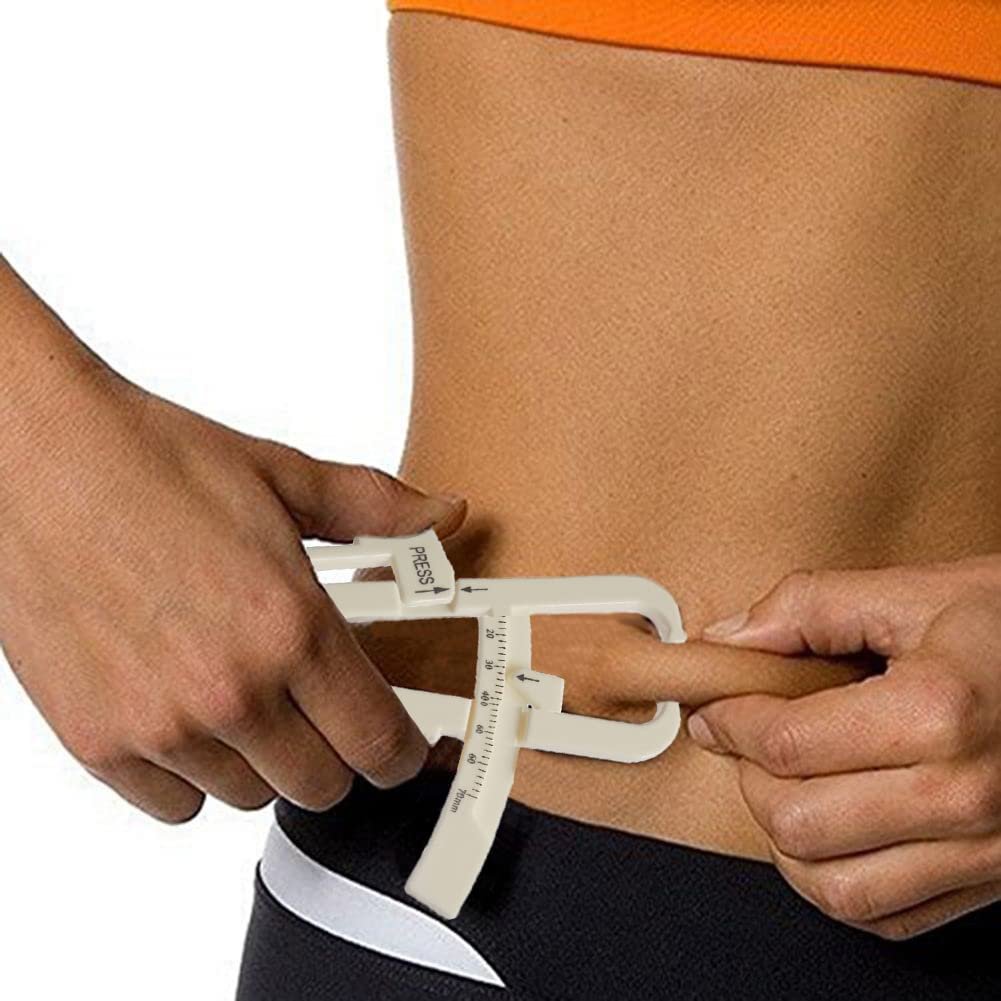
- Skinfold Caliper Measurements
Health Management
- Regular monitoring helps track changes over time
- Combine multiple assessment methods for comprehensive understanding
- Consult healthcare providers for personalized interpretation
- Focus on sustainable lifestyle changes rather than rapid fluctuations
Understanding body fat composition provides valuable insights into overall health status, but should be considered alongside other health indicators and professional medical advice.
https://www.omnicalculator.com/health/body-fat