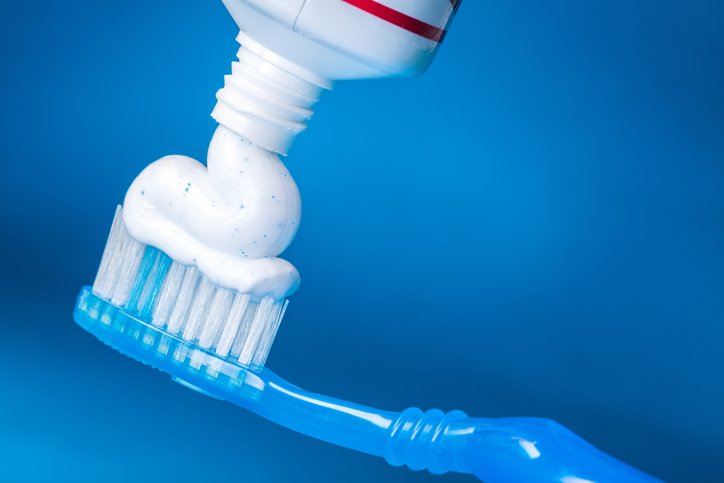
Your Guide to Key Toothpaste Ingredients and Oral Health Benefits
Toothpaste is one of our most used but least considered products. Yet, with countless toothpaste brands making bold claims, it begs the question: what key ingredients actively work in that strip of paste? The differences between each toothpaste come down to its core ingredients. Let’s break down what’s inside your tube and how these ingredients protect your teeth and improve your oral health.
This daily ritual begins with a choice from dozens of toothpaste brands lining the shelf. But what toothpaste ingredients make up the formula, and do they actually deliver on their promises? To answer this, we must look inside the tube.
The modern toothpaste you squeeze onto your brush represents centuries of evolution from early abrasives like crushed bones and ashes. Today’s toothpaste formulas provide an effective means of cleaning teeth and preventing decay through a set of standard active ingredients:
- Abrasives: These ingredients, such as hydrated silica, calcium carbonate, and dicalcium phosphate, help remove surface deposits and stains. They polish your teeth and make the mechanical action of brushing more effective.
- Detergents: Components like sodium lauryl sulfate create the bubbly foam you notice during brushing. This foam helps break up and dissolve substances, aiding in the cleaning process.
- Sensitivity Protectors: For those with sensitive teeth, specific toothpaste formulas include active ingredients like potassium nitrate or strontium chloride. These compounds work by blocking pain sensations, which often occur when the underlying dentin becomes exposed. While these toothpaste options can make brushing less painful, you may need a few weeks to feel the full effects.
Fluoride serves as the vital tooth-protective ingredient in any effective toothpaste. Whether it appears as sodium fluoride, stannous fluoride, or sodium monofluorophosphate (MFP), fluoride actively strengthens tooth enamel and works to prevent decay.
Beyond these active ingredients, most toothpaste formulas also include preservatives, binders, and flavorings. These components prevent the toothpaste from drying out or separating, and they ensure a pleasant taste. Furthermore, many specialty toothpastes incorporate additional ingredients for specific therapeutic purposes.
Whitening toothpastes typically rely on special abrasives or enzymes to help remove stains from the tooth’s surface. Their effectiveness depends entirely on the stain type. These special abrasives can effectively tackle extrinsic (surface) stains, but they cannot change intrinsic (internal) discoloration, which often requires a professional whitening treatment.
For those with sensitive teeth, specific toothpaste formulas often feature active ingredients like potassium nitrate or strontium chloride. These compounds work by blocking pain sensations, which often occur when the underlying dentin becomes exposed. While these toothpaste options can make brushing less painful, users may need a few weeks to feel the full effects.
So, what is the best way to choose a toothpaste? Always look for the American Dental Association (ADA) Seal of Acceptance on the label. This Seal verifies two key things: the toothpaste contains fluoride, and an independent party has tested the manufacturer’s other claims.
Once you select your preferred toothpaste, remember a key piece of dental wisdom: consistent brushing and proper technique, more than the toothpaste itself, are what ultimately prevent tooth decay and maintain good oral hygiene.
A Guide to Specialized Toothpaste Formulas
THE FACTS:
Navigating the oral care aisle can be a complex task, with countless toothpaste options each promising unique benefits. Understanding the specific formulations behind different types of toothpaste is key to making an informed choice for you and your family. From fluoride-free toothpaste to specialized tartar control toothpaste, the ingredients and their mechanisms vary significantly.
fluoride-free toothpaste
A growing number of consumers consciously choose fluoride-free toothpaste for health reasons. While dental professionals recognize fluoride for its cavity-fighting properties, many public water systems add it, providing people with systemic exposure. The primary concern is fluorosis, a condition where an excess of fluoride demineralizes tooth enamel. Because fluoride accumulates in the body and does not biodegrade, some individuals select a fluoride-free toothpaste to manage their overall intake. They believe the fluoride in their water and diet provides sufficient protection against decay.
Another popular category, tartar control toothpaste, combats the hardened calculus that brushing alone cannot remove. These formulas incorporate active ingredients like pyrophosphates, which inhibit the calcification of plaque into tartar on the teeth. However, consumers should understand that the benefits of tartar control toothpaste only apply above the gumline. It does not treat periodontal disease and works best as a preventive measure between professional dental cleanings.
The quest for a brighter smile has made whitening toothpaste immensely popular. Most whitening toothpaste relies on one of two methods: gentle abrasion or chemical whitening agents. Some whitening toothpaste formulas use harsh abrasives to scrub away surface stains, but overuse can damage enamel and lead to increased sensitivity and yellowing. Alternatively, other whitening toothpaste brands incorporate peroxides like hydrogen peroxide, which aim to bleach stains without abrasive action, though the effectiveness of these peroxide-based whitening toothpaste formulas without professional intervention is a topic of debate among dental experts.
Natural toothpaste
For those seeking a simpler approach, all-natural toothpaste offers an alternative free from synthetic chemicals. A typical all-natural toothpaste will use ingredients like calcium carbonate as a gentle abrasive and tea tree oil for its natural antiseptic properties. Crucially, a true all-natural toothpaste avoids ingredients like sodium lauryl sulfate (SLS), artificial flavors, and artificial colors, making it an ideal choice for individuals with sensitivities or those who prefer a more minimalist ingredient list.
A significant segment of the market is dedicated to toothpaste for sensitive teeth. This toothpaste for sensitive teeth is formulated with active ingredients like strontium chloride or potassium nitrate. These compounds work by insulating the exposed pores in the tooth’s dentin, blocking pain signals from triggers like cold or sweets. The market for toothpaste for sensitive teeth continues to expand rapidly, with brands now offering formulations for varying levels of sensitivity.
Finally, children’s toothpaste is specifically designed for young users. Children’s toothpaste often features fun flavors, vibrant colors, and sparkles to make brushing enjoyable. A key safety feature of children’s toothpaste for very young toddlers is that it is often a fluoride-free toothpaste, making it safe if swallowed. As children mature and learn not to swallow, they can transition to a fluoridated children’s toothpaste to strengthen their developing teeth.
With such variety in ingredients and functions, finding the right toothpaste may require some experimentation. If you have a specific dental condition, always consult your dentist for a personalized recommendation on the best toothpaste for your oral health needs.